
A 5×10 utility trailer is easier to store and maneuver. A 6.5×12 gives you 17 more inches of deck width and two more feet of deck length. The right choice depends on what must fit on the deck, not which trailer looks bigger on paper.
For a real comparison, this guide uses two single-axle Big Tex models available through Bulldog Trailers: the 5×10 Big Tex 30SA-10 and the 6.5×12 Big Tex 35SA-12. Many shoppers search for a "6×12," but the comparable Bulldog inventory is listed as 6.5×12.
Quick answer: Choose the 5×10 when your equipment fits inside a 60-inch-wide deck and you want the more compact trailer. Choose the 6.5×12 when you need a 77-inch-wide deck, more loading room, or space for multiple items. Do not use deck size as a shortcut for payload capacity. These two models share the same listed GVWR, while the smaller trailer has the higher listed cargo capacity.
5×10 vs 6.5×12 utility trailer specifications
| Specification | Big Tex 30SA-10 | Big Tex 35SA-12 |
|---|---|---|
| Listed deck size | 5×10 | 6.5×12 |
| Bed width | 60 inches | 77 inches |
| Bed length | 10 feet | 12 feet |
| Empty weight | 723 pounds | 983 pounds |
| Cargo capacity | 2,272 pounds | 2,012 pounds |
| GVWR | 2,995 pounds | 2,995 pounds |
| Pull type | Bumper pull | Bumper pull |
The 6.5×12 gives you a noticeably larger deck, but the additional trailer weight matters. In this comparison, the larger 35SA-12 weighs 260 pounds more than the 30SA-10. Since both models have a listed GVWR of 2,995 pounds, that extra empty weight reduces the listed cargo capacity by 260 pounds.
For these two models, more deck space does not mean more payload.
Choose the 5×10 when compact size matters most
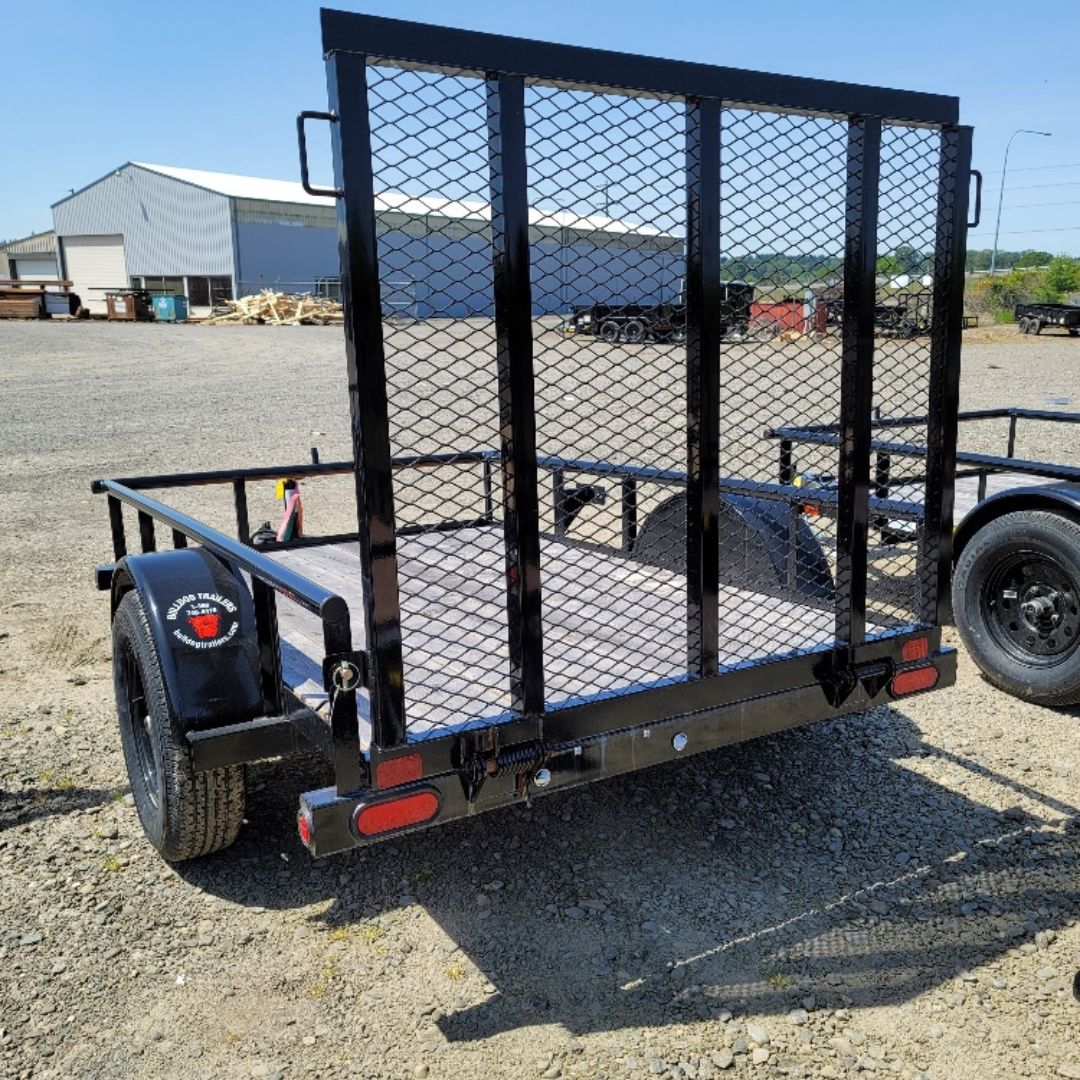
The 5×10 Big Tex 30SA-10 is the better fit when your load stays within its 60-inch width and 10-foot length. Its smaller footprint can make parking, storage, and positioning around a property more manageable.
A 5×10 is worth considering for:
- A zero-turn mower or compact lawn equipment that fits within the deck dimensions
- One ATV, when the machine and attachments fit safely
- Landscaping tools, bagged materials, and small equipment
- Household hauling and dump runs
- Buyers with limited trailer storage space
Measure the complete load before deciding. Include mower decks, discharge chutes, buckets, handles, racks, and other parts that extend beyond the main machine. A machine described as "about five feet wide" may not fit a 60-inch deck once its attachments are included.
The 30SA-10 also has the higher listed cargo capacity in this specific comparison: 2,272 pounds versus 2,012 pounds for the 35SA-12. Your usable load still depends on the exact trailer, how it is equipped, and the limits of your tow vehicle and hitch.
View the Big Tex 30SA-10 at Bulldog Trailers
Choose the 6.5×12 when the load needs more room
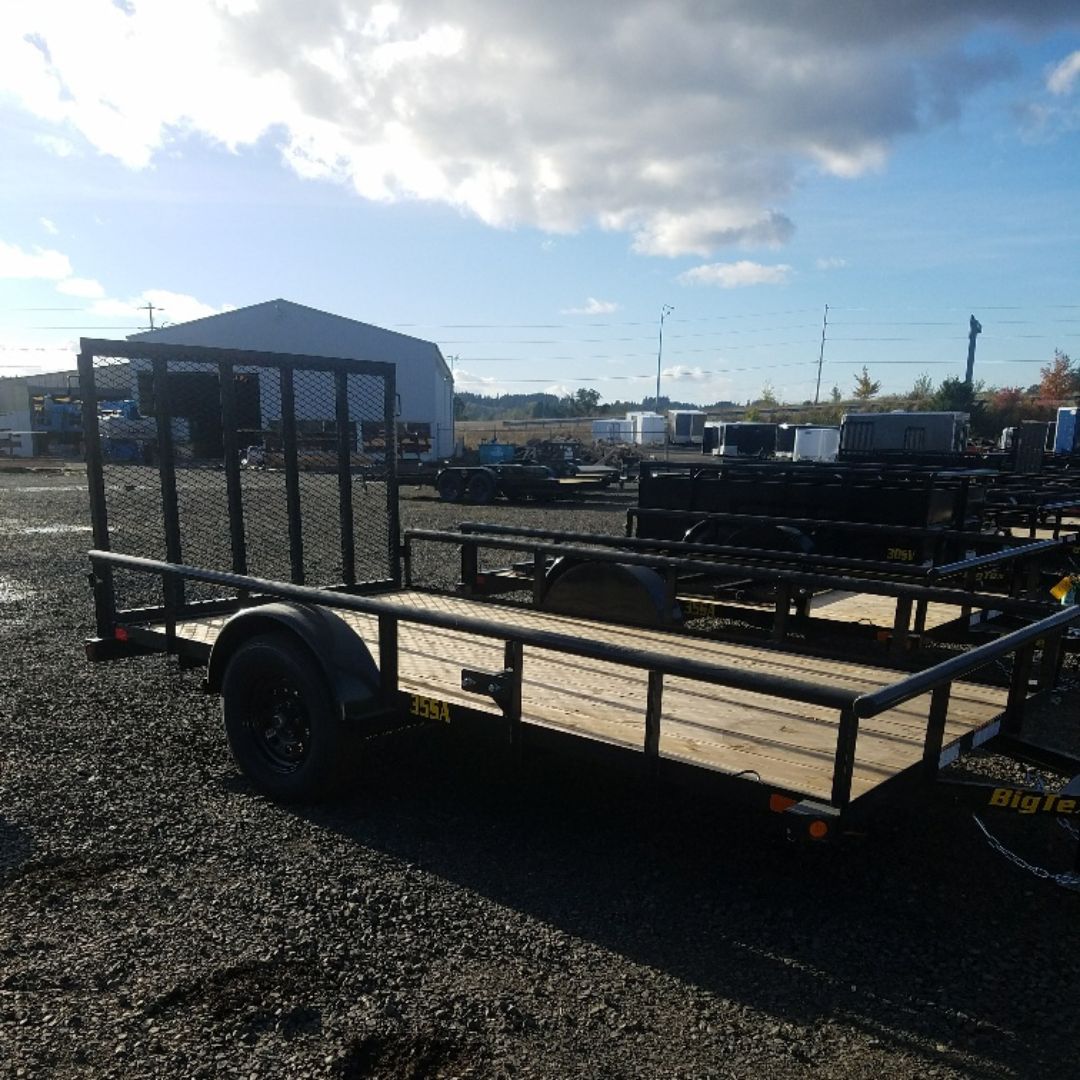
The 6.5×12 Big Tex 35SA-12 is the stronger choice when a 60-inch deck is too narrow or 10 feet does not give you enough room to position and secure the load.
The larger deck can help when you need to carry:
- Wider lawn equipment or machines with attachments
- Multiple pieces of smaller equipment
- Longer materials that fit within the trailer’s rated limits
- Equipment that needs more room for safe tie-down placement
- Mixed loads where spacing matters as much as weight
The bed is 77 inches wide and 12 feet long. That extra space can make loading less cramped, but it does not change the need to stay within the trailer’s weight ratings. The 35SA-12 is listed at 983 pounds empty with 2,012 pounds of cargo capacity.
View the Big Tex 35SA-12 at Bulldog Trailers
Measure these five things before you buy
Do not start with the trailer. Start with the load.
- Measure the widest point, including mower decks, chutes, tires, handles, and attachments.
- Measure the full loaded footprint, not just the machine’s advertised length.
- Add the weight of fuel, tools, attachments, materials, and every other item carried on the trailer.
- Confirm that the trailer gives you safe tie-down points without forcing straps around sharp edges or moving parts.
- Check the ramp or gate width, approach angle, and clearance needed while loading and unloading.
If you plan to haul two machines, lay out the complete arrangement. Two items that fit individually may not fit together with enough room for safe weight distribution and tie-downs.
Check the tow vehicle separately
Trailer dimensions tell you whether the load fits. They do not tell you whether your vehicle can tow the loaded trailer.
Check the vehicle manufacturer’s ratings for towing capacity, hitch capacity, and payload. The trailer, cargo, passengers, and items carried in the vehicle all affect the final setup. The hitch, ball, electrical connection, safety chains, tires, and any required brake equipment must also match the trailer and load.
If you are unsure, bring Bulldog Trailers the year, make, model, and configuration of your tow vehicle along with the dimensions and estimated weight of what you plan to haul.
5×10 or 6.5×12: the practical decision
Choose the 5×10 Big Tex 30SA-10 when:
- Everything fits within a 60-inch-wide, 10-foot-long bed
- Compact storage and easier positioning matter
- You do not need the additional deck space
- Its ratings work for your complete loaded setup
Choose the 6.5×12 Big Tex 35SA-12 when:
- Your load is wider than the 5×10 deck can safely handle
- Two additional feet of deck length will improve load placement
- You need more working room for multiple items or tie-downs
- Its ratings work for your complete loaded setup
Make the decision from three checks: fit, weight, and towing compatibility.
Frequently asked questions
Is a 6×12 utility trailer better than a 5×10?
Not automatically. A 6.5×12 gives you more deck space, while a 5×10 is more compact and may have more cargo capacity depending on the models compared. The better trailer is the one that fits your load and remains within the ratings of the trailer, hitch, and tow vehicle.
Can a 5×10 utility trailer haul a zero-turn mower?
It can if the mower’s full width and length fit the deck and the complete loaded weight stays within the trailer’s capacity. Measure the mower with its deck, discharge chute, attachments, and any other protruding parts before buying.
Does a larger utility trailer carry more weight?
Not always. The two single-axle models in this comparison have the same listed 2,995-pound GVWR. The larger 35SA-12 is heavier, so its listed cargo capacity is lower than the smaller 30SA-10.
Why does Bulldog list 6.5×12 instead of 6×12?
Trailer size names are often used as broad shopping terms. The comparable Big Tex model in Bulldog’s current utility-trailer catalog has a listed 77-inch-wide bed, which is commonly described as 6.5 feet wide. Always use the exact model specifications when checking fit.
Compare the exact trailers before making the final call
Inventory and equipment can change. Confirm the dimensions, empty weight, GVWR, cargo capacity, ramp configuration, brakes, tie-down points, and availability of the exact unit you are considering.
Browse Bulldog utility trailers or request more information from Bulldog Trailers.